General Liability Insurance for Contractors: What It Covers?

Running a contracting business is not just about tools and skills. It is also about managing risk. One small slip-up can turn into a costly claim. That is why contractor liability insurance in Houston, TX, is not just a “nice-to-have.” It is your financial backup when things go sideways.
We have seen jobs go perfectly for weeks, then one small accident changes everything. So, let’s walk through what general liability insurance actually covers, what it leaves out, and how it protects your business in real life.
What Is General Liability Insurance for Contractors?
General liability insurance is a core business policy. It covers third-party injuries and property damage caused by your work. In simple terms, if someone files a claim against you, this policy steps in. It helps pay for damages, medical bills, and even legal defense costs. Think of it as your first line of defense. Without it, one claim could wipe out your profits or worse.
Why Contractors Need This Coverage?
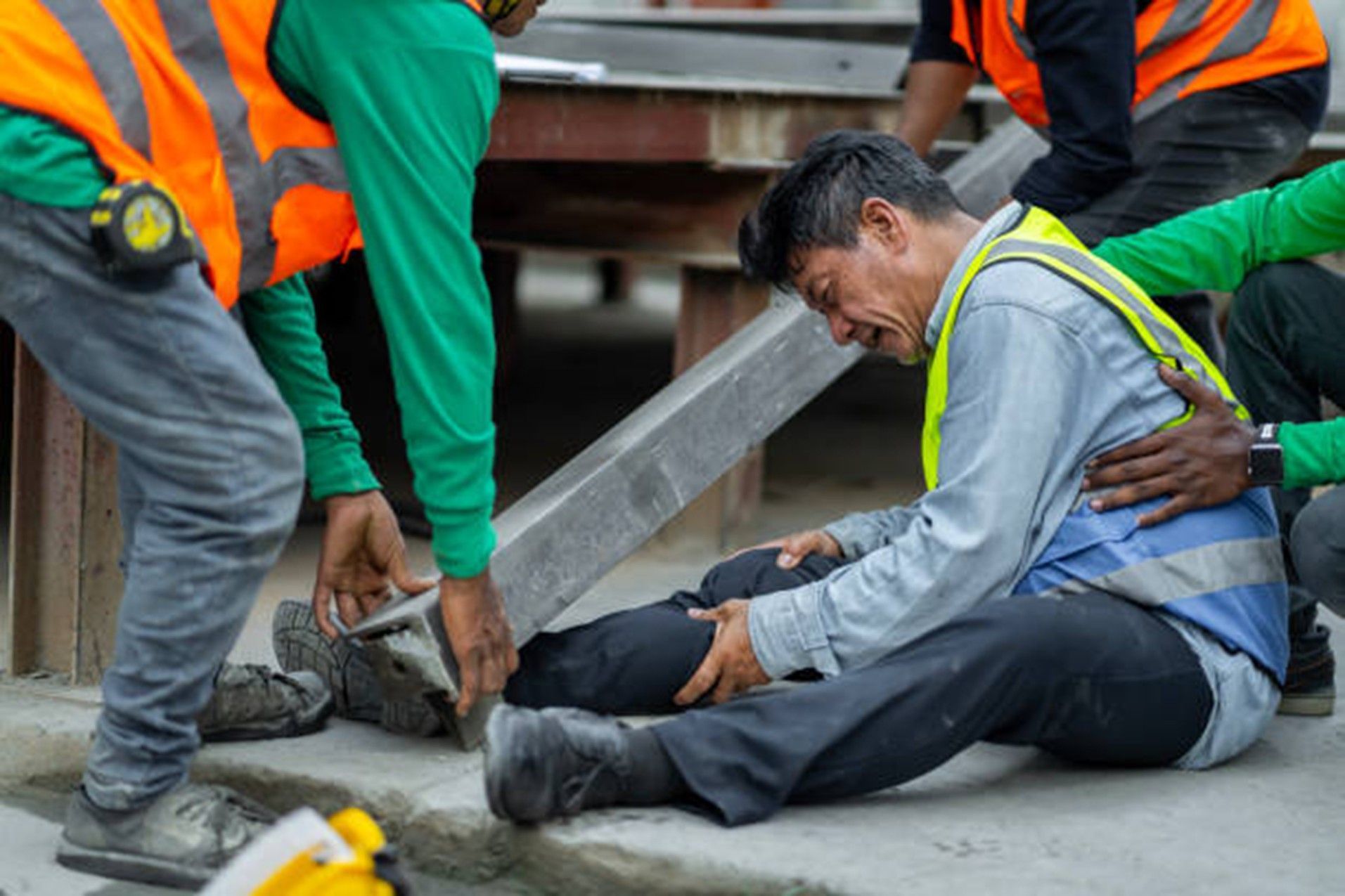
Let’s be real. Job sites are unpredictable. Even if you run a tight ship, things can still happen. A client can trip over materials. A tool can damage flooring. And sometimes, issues show up after the job is done.
Here is why having construction general liability insurance in Houston, TX makes sense:
● It keeps your business from taking a financial hit
● It helps you handle claims without panic
● It shows you are legit when bidding on jobs
● It is often required in contracts and agreements
In many cases, not having coverage can cost you the job before you even start.
What Does General Liability Insurance Cover?
Now, let’s break it down simply. Most policies cover four main areas.
1. Property Damage Coverage
This kicks in if you damage someone else’s property while working. For example, say you are installing fixtures and crack a tile floor. That repair bill can climb fast. Your policy helps cover those costs instead of you paying out of pocket.
2. Bodily Injury Coverage
If someone gets hurt because of your work, this coverage helps with medical expenses. Picture this. Someone walks through your job site and trips over loose wiring. If they get injured, your policy can help cover hospital bills and related costs.
3. Legal Defense and Settlement Costs
Here is where things can get serious. Even a small issue can turn into a lawsuit. General liability insurance helps cover:
● Attorney fees
● Court costs
● Settlements or judgments
Legal defense alone can get expensive. So having coverage is a big deal.
4. Completed Operations Coverage
This one is often overlooked. It protects you after the job is done. Let’s say you finish a project, and later, faulty work causes damage. This part of the policy helps handle that claim.
What General Liability Insurance Does NOT Cover?
Now, here is the fine print. Not everything falls under this policy. Knowing the gaps helps you avoid surprises.
1. Employee Injuries
If your crew gets hurt, general liability will not cover it. You need workers’ comp for that.
2. Your Tools and Equipment
Your gear is not covered here. If tools get stolen or damaged, you need equipment coverage or inland marine insurance.
3. Professional Mistakes
If your design or advice causes a problem, this policy will not help. That is where professional liability, also called E&O, comes in.
4. Business Vehicles
If your truck is involved in an accident, general liability will not cover it. You need commercial truck liability insurance for that. Most contractors also carry commercial truck insurance in Houston, TX, to cover vehicle damage and driver risks.
What Affects Your Insurance Premium?
Insurance pricing is not random. Underwriters look at several factors before setting your premium. Here are the key ones:
● Type of work: Higher-risk trades usually pay more
● Payroll size: More workers mean more exposure
● Job location: Some areas carry a higher risk
● Claims history: Past claims can raise your rates
In short, the more risk you bring, the higher the premium.
Key Insurance Terms You Should Know
Let’s clear up some terms you will hear often.
Certificate of Insurance (COI)
This is proof that your policy is active. You will need it before starting most jobs.
Additional Insured
Sometimes, a project owner wants coverage under your policy. Adding them as an additional insured gives them limited protection tied to your work.
Policy Limits
This is the maximum your insurer will pay for a claim. Always check your limits so you are not underinsured.
How to Choose the Right Policy?
Picking the right coverage is not just about going with the cheapest quote. It is about making sure you are covered where it counts. Here is how we usually approach it:
● Look at your daily job risks
● Check contract insurance requirements
● Review your coverage limits carefully
● Bundle policies when it makes sense
For example, if you rely on trucks daily, pairing general liability with commercial truck insurance in Houston, TX, gives you better overall protection.
General Liability vs Other Business Insurance
It is easy to mix these up, so here is a quick breakdown:
● General liability covers third-party injury and property damage
● Workers’ comp covers employee injuries
● Commercial auto covers business vehicles
● Professional liability covers service-related mistakes
Most contractors carry a mix of these to stay fully protected.
Who Should Get This Insurance?
If you work in construction or home services, you need this coverage. This includes:
● General contractors
● Electricians
● Plumbers
● Painters
● Remodelers
Even solo contractors should not skip it. One claim can set you back big time.
FAQs
1. Is general liability insurance required for contractors?
Not always by law, but most contracts require it. Without it, you may not land certain jobs.
2. Does general liability insurance cover subcontractors?
Usually no. Subs need their own policy, but they can be added as additional insureds.
3. What is the difference between general and professional liability?
General liability covers physical damage or injury. Professional liability covers mistakes in your work or advice.
4. Can independent contractors get liability insurance?
Yes, and they should. It protects against claims and makes your business look more credible.
5. Does this policy cover work vehicles?
No. You need commercial truck liability insurance in Houston, TX, for vehicle-related claims.
Ready to Protect Your Business the Smart Way?
At the end of the day, every contractor faces risk. You can do everything right, and still deal with a claim. That is just how the business works.
We always recommend starting with strong general liability coverage, then building from there. If you are working in Texas, combining construction general liability insurance in Houston, TX, with the right vehicle policy gives you solid protection.
If you are ready to get covered without the guesswork, we suggest reaching out to Allied Insurance & Financial Services. We can help you review your risks, understand your options, and choose a policy that actually fits your business.